
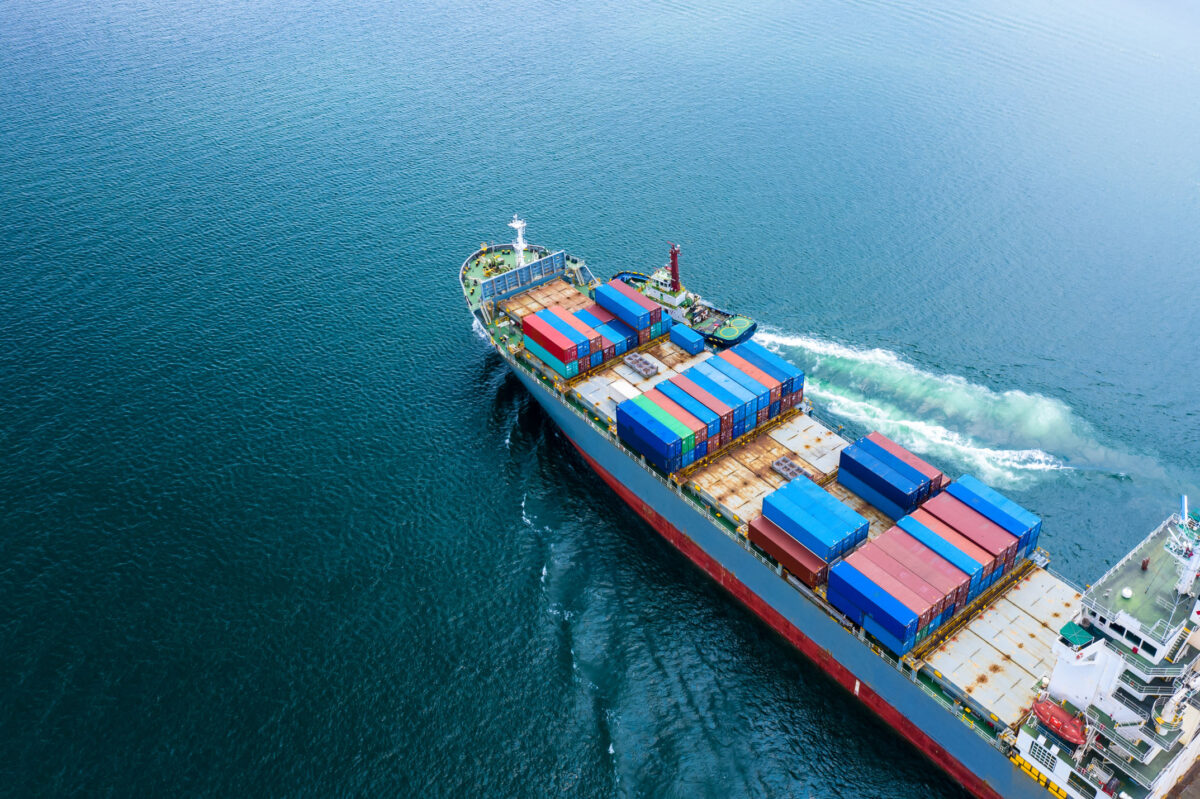
Freight Rangers is not just a service provider; we are your strategic partner with over 10 years of experience in the logistics industry. As a leading Freight Forwarder in Thailand, we offer comprehensive Ocean Freight solutions designed to propel your business forward. From handling FCL / LCL shipments to managing complex Customs Clearance, we ensure your cargo moves efficiently from Export from Thailand to global destinations. Trust us to optimize your Shipping Rates and secure your goods with top-tier Cargo Insurance and professional care.
Sea Freight 101: What is it and who should use it?
Sea Freight or Ocean Freight is the transportation of goods via shipping vessels and serves as the backbone of International Shipping. It is the most cost-effective method for businesses needing to move large volumes of goods over long distances. This service is ideal for exporters and importers dealing with heavy machinery, raw materials, or bulk commodities where Shipping Rates are a priority over speed. Whether you choose Container Shipping or break-bulk, sea freight offers the capacity and economy that air freight cannot match.
How Does Air Freight Differ from Sea Freight?
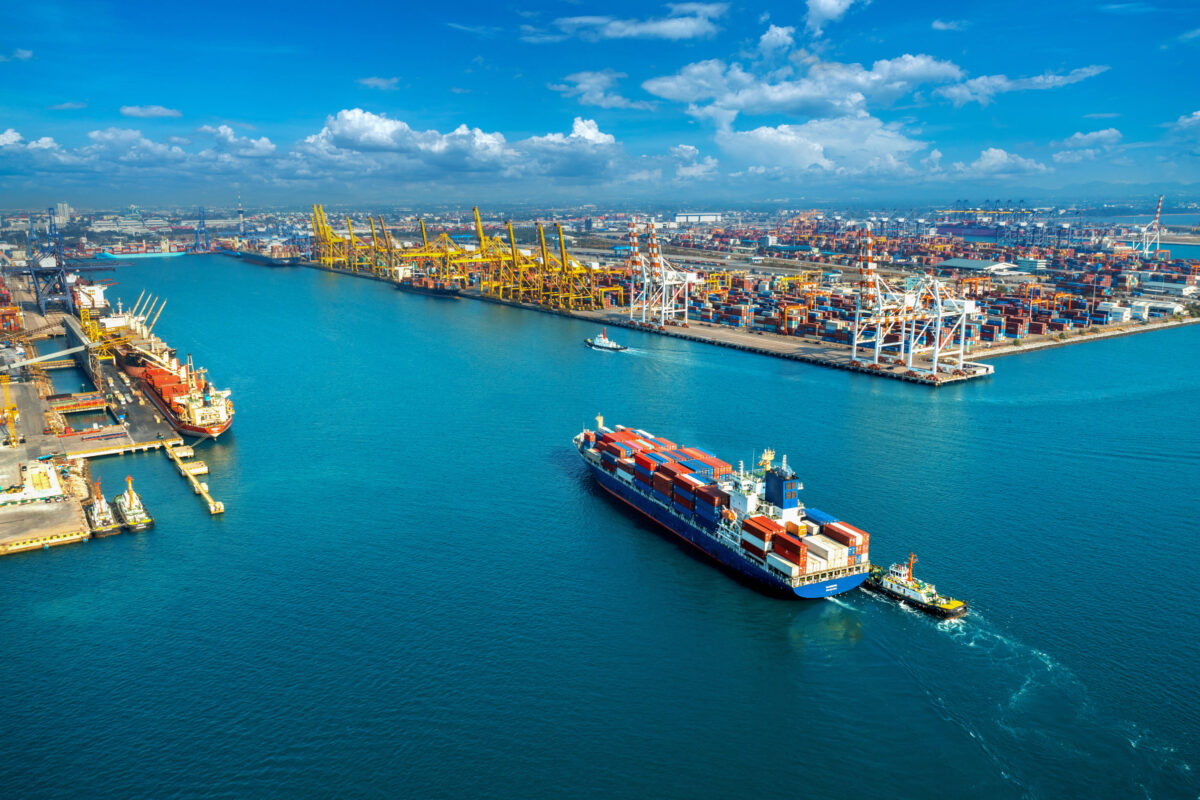
Choosing between Sea Freight and Air Freight depends largely on your budget, timeline, and cargo size. Sea freight is the most cost-effective choice for transporting large volumes or heavy goods (FCL/LCL) over long distances, though it typically requires a longer transit time ranging from weeks to months. In contrast, Air freight offers rapid delivery within days, making it ideal for urgent or high-value shipments, but it comes at a premium cost calculated by weight and volume. At Freight Rangers, we help you weigh these factors cost, speed, and capacity to select the most efficient logistics solution for your business
| Comparison Factor | Sea Freight | Air Freight |
|---|---|---|
| Costst | Economical: Best for bulk, heavy, or large volume shipments. | Premium: Higher cost, calculated by actual weight or volumetric weight. |
| Transit Time | Slower: Takes weeks to months depending on the route. | Fast: Rapid delivery, typically within 1-5 days. |
| Capacity | High Capacity: Virtually unlimited space, suitable for containers (FCL) or shared loads (LCL). | Limited: Restricted by aircraft size and strict weight limitations. |
Why Choose Freight Rangers? (10 Years Experience & Global Trust)
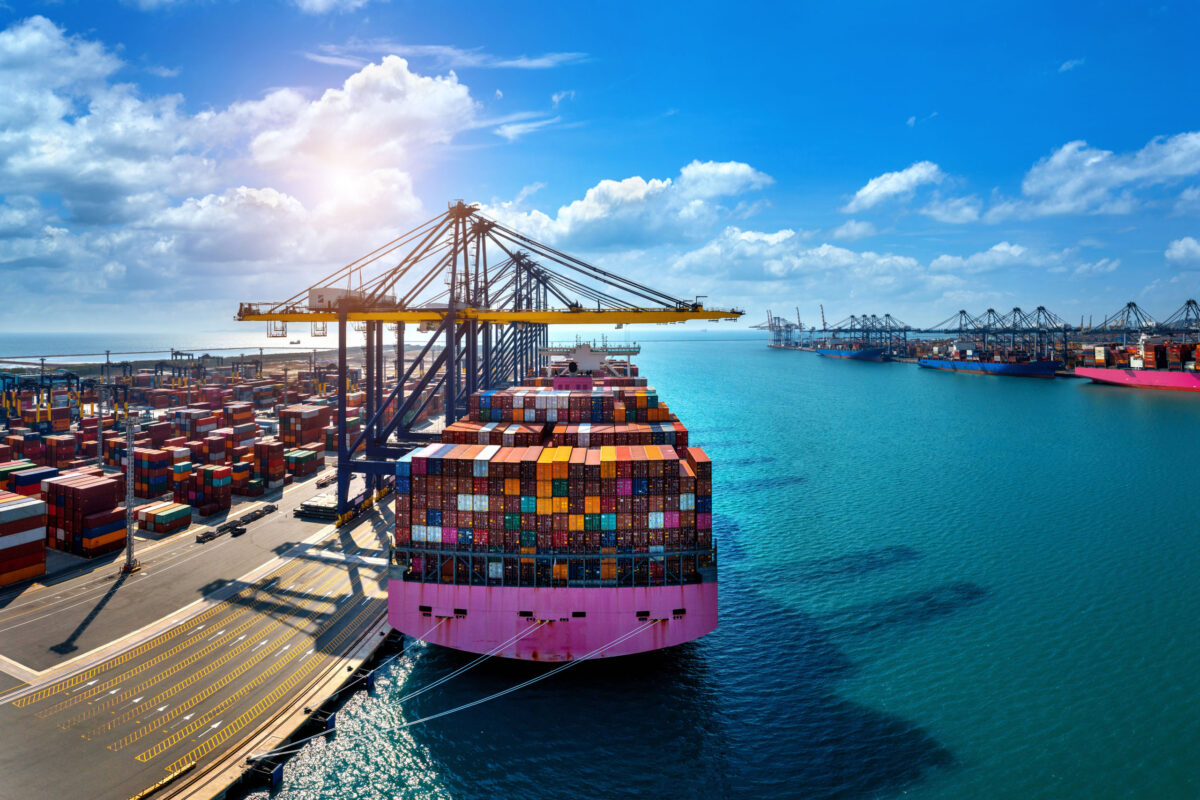
- Extensive Experience: We possess over ten years of experience in the logistics industry, ensuring a smooth and efficient sea freight experience.
- Global Network: We have a well-established network of partners at major ports worldwide, guaranteeing seamless cargo movement across continents.
- Competitive Rates: We offer exceptional value for your sea freight needs, ensuring cost-effective solutions without compromising on quality.
- Personalized Service: Our dedicated team provides personalized attention, understanding your specific requirements and tailoring our services accordingly.
- 24/7 Support: We offer round-the-clock support, ensuring you have access to assistance whenever needed.
Our Comprehensive Sea Freight Solutions (FCL & LCL)
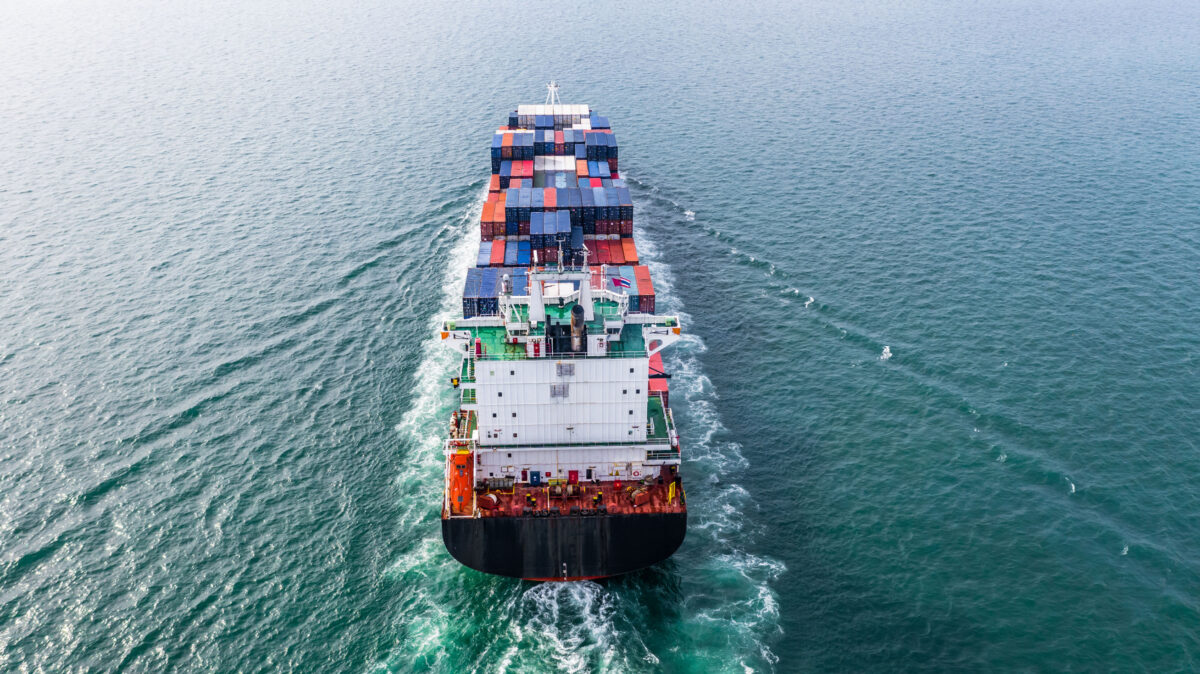
We provide tailored Logistics Services to suit your specific shipping needs:
- FCL (Full Container Load): You get the entire container for your goods. This is the fastest sea freight option with minimal handling, reducing the risk of damage.
- LCL (Less than Container Load): A cost-effective solution for smaller shipments. Your cargo shares container space with others, allowing you to pay only for the volume you use.
- Door-to-Door Delivery: We handle the entire journey, from pick-up at your facility to final delivery, simplifying your supply chain.
Essential Documentation & Customs Clearance
Several essential documents are required for smooth and efficient sea freight shipments. Here’s a breakdown of the key documents you’ll need:
- Bill of Lading (B/L): This crucial document acts as a contract of carriage between the shipper, carrier (shipping line), and consignee (receiver). It details the shipment information, including origin and destination ports, description of goods (type, quantity, weight), freight charges. In some cases, the B/L serves as a document of title, meaning whoever possesses the original B/L has ownership of the cargo.
- Commercial Invoice: This document serves as a detailed bill from the seller (exporter) to the buyer (importer). It specifies the value of the goods being shipped and is used by customs authorities to assess import duties and taxes. The commercial invoice typically includes description of the goods, quantity, unit price, total value of the shipment, and currency of transaction
- Packing List: This document provides an itemized list of the goods in the shipment. It helps with customs clearance and verifies the contents of the container(s) against the Bill of Lading. The packing list should include number of packages and description of each package (contents, weight, dimensions)
- Certificate of Origin: This document certifies the country where the goods were manufactured or produced. It’s often required for customs clearance in the destination country, particularly for preferential trade agreements or import restrictions. The certificate of origin is typically issued by a chamber of commerce or government agency.
FAQs
Here are some additional frequently asked questions (FAQs) about sea freight
What goods are transported by sea freight?
- Manufactured goods (electronics, machinery, furniture)
- Raw materials (metals, wood, chemicals)
- Food and beverages (grains, coffee, wine)
- Vehicles (cars, trucks, motorcycles)
- Dangerous goods (subject to strict regulations)
How are sea freight rates determined and what factors affect them?
Several factors influence sea freight rates:
Origin and Destination Ports: The distance between the origin and destination ports significantly impacts the cost. Longer distances typically translate to higher rates.
Type of Cargo: The type of cargo being shipped (FCL, LCL, hazardous materials) influences the freight rate. Hazardous materials often require special handling and packaging, leading to higher costs.
Container Size and Type: The size and type of container used (20ft, 40ft, refrigerated containers) affect the rate. Refrigerated containers are more expensive due to the additional power requirements for maintaining temperature control.
Fuel Costs: Fluctuations in global fuel prices can impact sea freight rates as fuel is a significant operational expense for shipping lines.
Demand and Supply: Market forces of supply and demand can influence rates. During peak shipping seasons, when demand for containers is high, rates may increase.
How does air freight differ from other shipping methods like sea or ground transportation?
The key differences between sea freight, air freight, and ground transportation lie in cost, transit time, and capacity. Here’s a breakdown to help you choose the best option
Cost
- Sea Freight: Most economical for large volumes over long distances.
- Air Freight: Significantly more expensive than sea freight, but the fastest option.
- Ground Transportation: Cost-effective for regional or short-haul shipments, but generally more expensive than sea freight for long distances.
Transit Time
- Sea Freight: Slowest due to vast distances covered by cargo ships.
- Air Freight: Fastest option, ideal for time-sensitive cargo.
- Ground Transportation: Speed varies depending on distance. Faster than sea freight for regional shipments, but slower than air freight.
Capacity
- Sea Freight: Highest capacity, allowing for bulk shipments in containers.
- Air Freight: Limited capacity due to aircraft size and weight restrictions.
- Ground Transportation: Capacity varies depending on the vehicle type. Trucks offer higher capacity than vans.
What documentation is required for sea freight shipments?
Several essential documents are required for smooth and efficient sea freight shipments. Here’s a breakdown of the key documents you’ll need:
- Bill of Lading (B/L): This crucial document acts as a contract of carriage between the shipper, carrier (shipping line), and consignee (receiver). It details the shipment information, including origin and destination ports, description of goods (type, quantity, weight), freight charges. In some cases, the B/L serves as a document of title, meaning whoever possesses the original B/L has ownership of the cargo.
- Commercial Invoice: This document serves as a detailed bill from the seller (exporter) to the buyer (importer). It specifies the value of the goods being shipped and is used by customs authorities to assess import duties and taxes. The commercial invoice typically includes description of the goods, quantity, unit price, total value of the shipment, and currency of transaction
- Packing List: This document provides an itemized list of the goods in the shipment. It helps with customs clearance and verifies the contents of the container(s) against the Bill of Lading. The packing list should include number of packages and description of each package (contents, weight, dimensions)
- Certificate of Origin: This document certifies the country where the goods were manufactured or produced. It’s often required for customs clearance in the destination country, particularly for preferential trade agreements or import restrictions. The certificate of origin is typically issued by a chamber of commerce or government agency.
Ready to unlock the power of sea freight for your business? This guide has equipped you with the knowledge you need. Freight Rangers is your trusted partner in sea freight logistics. Contact us today for a free quote and let’s discuss how we can streamline your supply chain with efficient sea freight solutions.
Related blogs

ผู้ให้บริการขนส่งสินค้าระหว่างประเทศ (Freight Forwarder) ชั้นนำของไทย ด้วยประสบการณ์ยาวนานตั้งแต่ปี 2014 มากกว่า 12 ปีและได้รับการรับรองมาตรฐาน ISO 9001:2015 เราเชี่ยวชาญด้านโลจิสติกส์ครบวงจร มุ่งมั่นให้บริการที่รวดเร็ว ปลอดภัย และตอบโจทย์ทุกความต้องการของธุรกิจคุณ